







Reviews & Ratings
0
out of 5.0
(0
reviews)
There have been no reviews for this product yet.
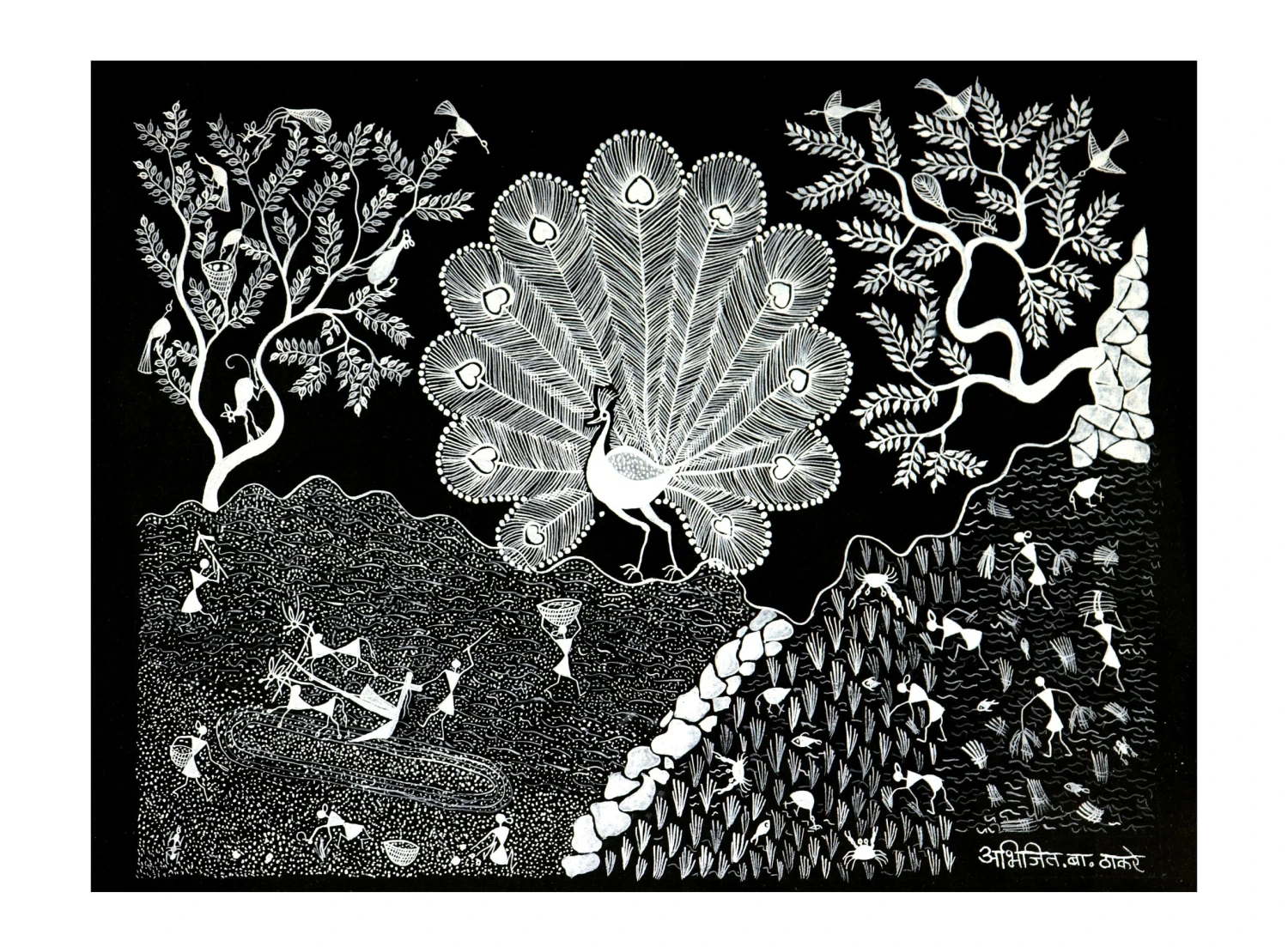
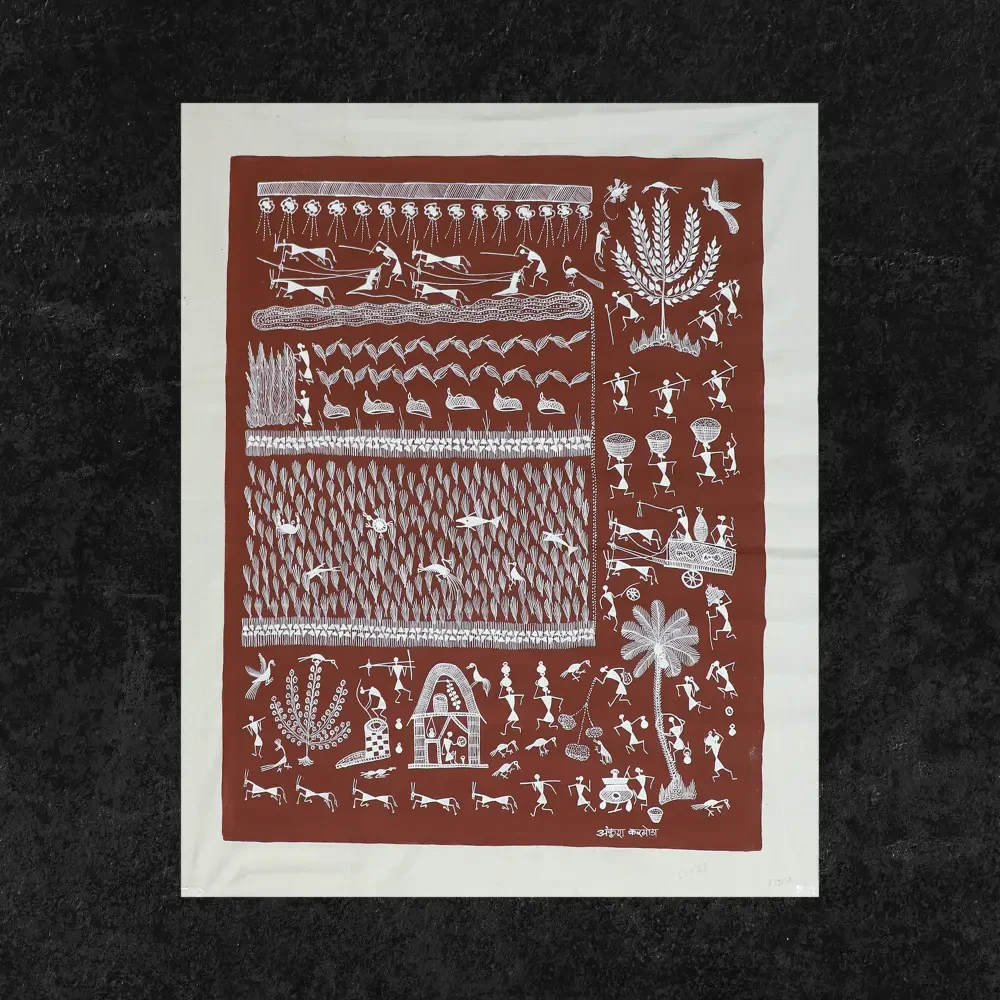
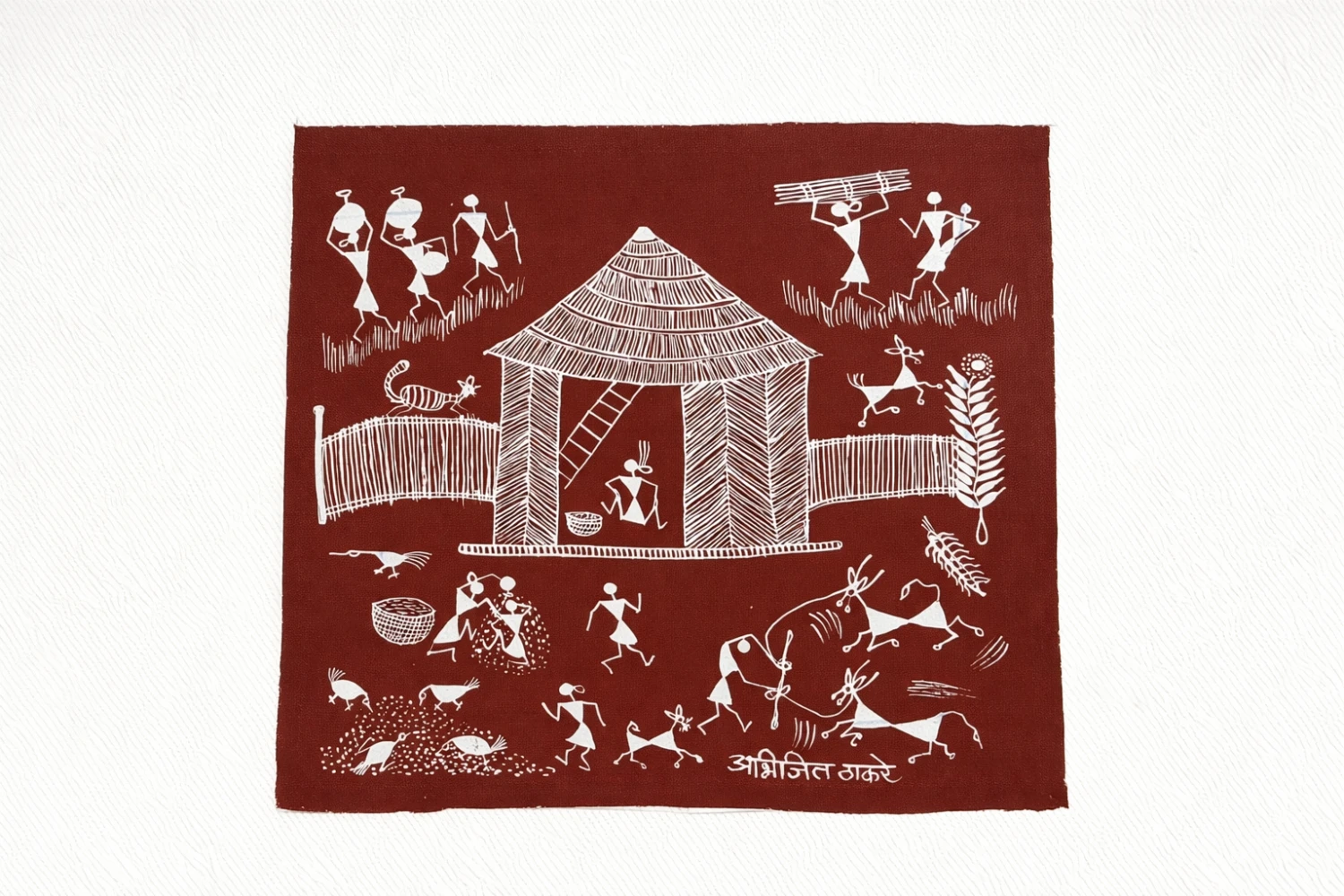
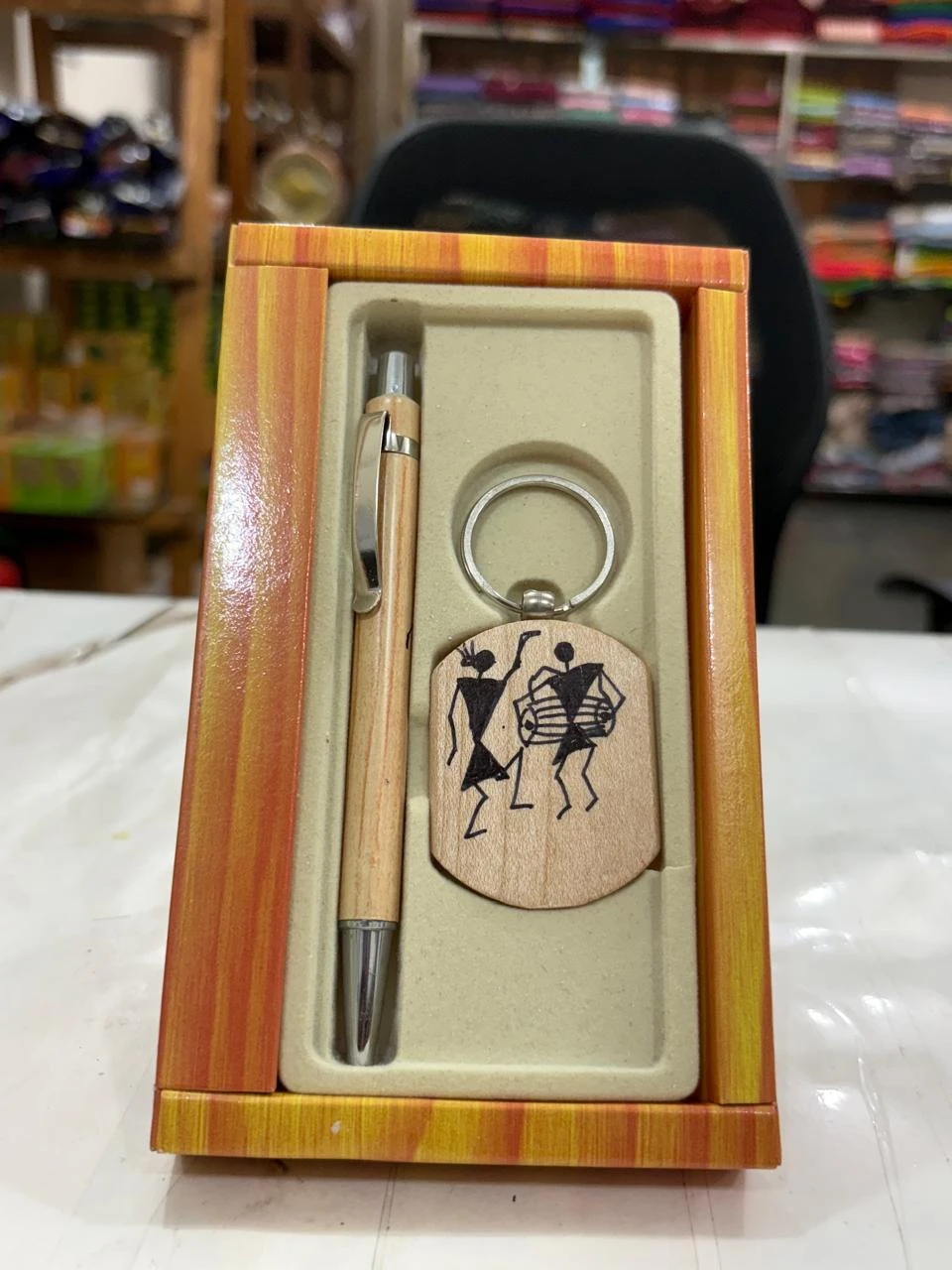
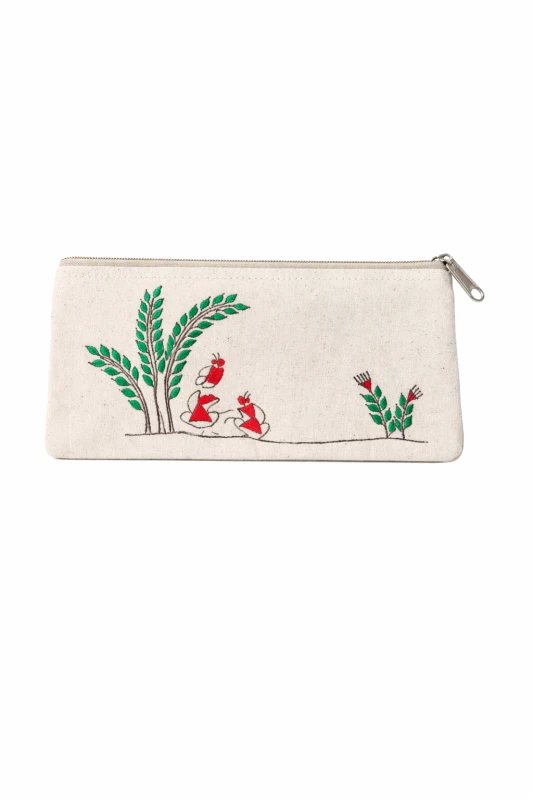
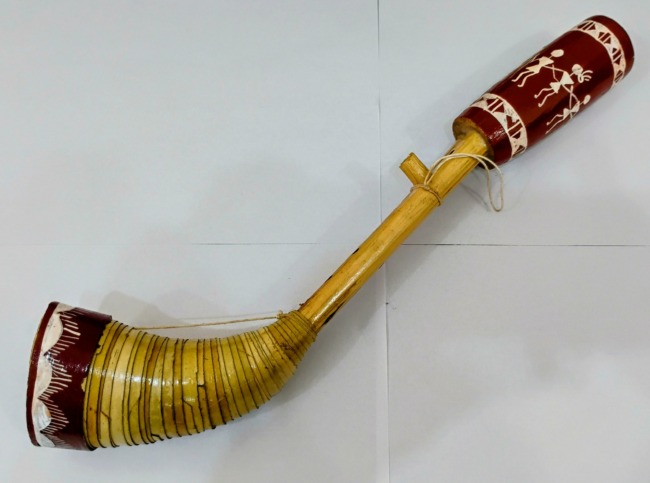
Warli art is a 10th-century tribal folk painting style from Maharashtra, India, traditionally created by women using white rice paste on mud walls to depict daily life and nature. It uses a simple geometric vocabulary—circles, triangles, and squares—to represent humans, animals, and rituals, notably featuring the Tarpa dance and fertility symbols.
State: Maharashtra
State: Maharashtra
Weight: 30 Gram
State: Maharashtra
Weight: 30 Gram
0
out of 5.0
(0
reviews)
Top Selling Products
-
 ₹79.20
₹132.00 -
₹105.60
₹176.00 -
₹72.00
₹80.00 -
₹330.00
₹550.00 -
₹108.00
₹120.00 -
₹1,320.00
₹2,200.00
Product Features
- Geometric Shapes: The art uses a basic vocabulary of shapes: circles (sun/moon), triangles (mountains/trees), and squares (land/sacred enclosures).
- Monochromatic Palette: Traditionally, only white paint made from rice paste and gum is used on mud, red soil, or cow dung backgrounds.
- Symbolic Human Figures: Humans and animals are depicted using two inverted triangles joined at the tip, symbolizing the balance between the universe and the body.
- Daily Life and Nature Themes: Scenes frequently portray farming, hunting, fishing, festivals, dancing, and nature, with a notable absence of mythical, divine, or heroic figures.
- Ritualistic Significance: Many paintings are created for specific rituals, such as weddings or harvests, with the chauk (a sacred square) serving as a central motif, often featuring the Mother Goddess (Palaghata).
- Simple, Linear Style: The art is simplistic, often painted freehand, and uses basic lines to convey complex stories.
- Origin: It is one of the oldest forms of Indian folk art, originally created by tribal women on village hut walls.
Specifications
State: Maharashtra
Weight: 30 Grams
Weight: 30 Grams
Shipping
This Product usually shipped in 3-4 business days.
Care
Gently remove surface dust using a dry soft cloth.
Disclaimer
Please note that the tribal painting may or may not include a frame. Image may be for illustration purposes only. The actual product may vary in size, color, and design. We recommend checking the product features for specific details.
Warli Painting On Cloth 8×8
Return

Category:
Tribal Paintings,
Warli
- Payment. We accept all major payment methods including Credit/Debit Cards, UPI, Net Banking, Wallets and Cash on Delivery (COD).
- Warranty. The Consumer Protection Act does not provide for the return of this product of proper quality..